Strategy
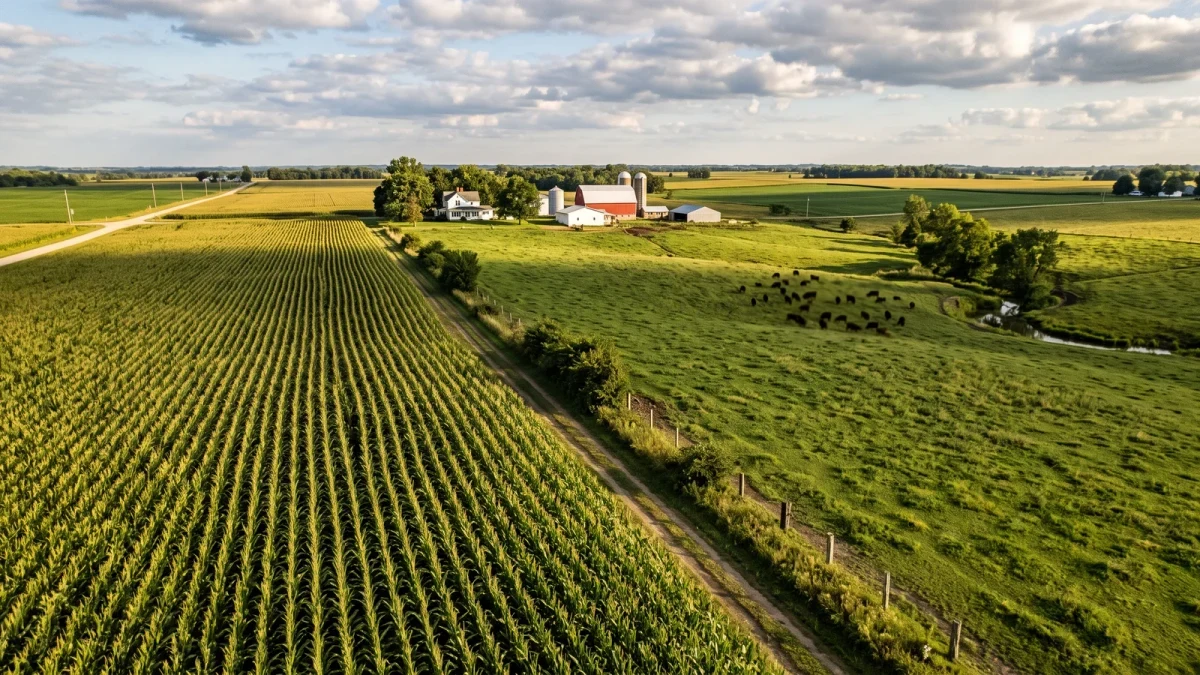
Choosing a crop insurance coverage level on paper
The federal subsidy falls from 59 percent at 65 to 70 percent coverage to 38 percent at 85 percent — the arithmetic that shapes every coverage-level decision.
Tanya Brooks · June 12, 2026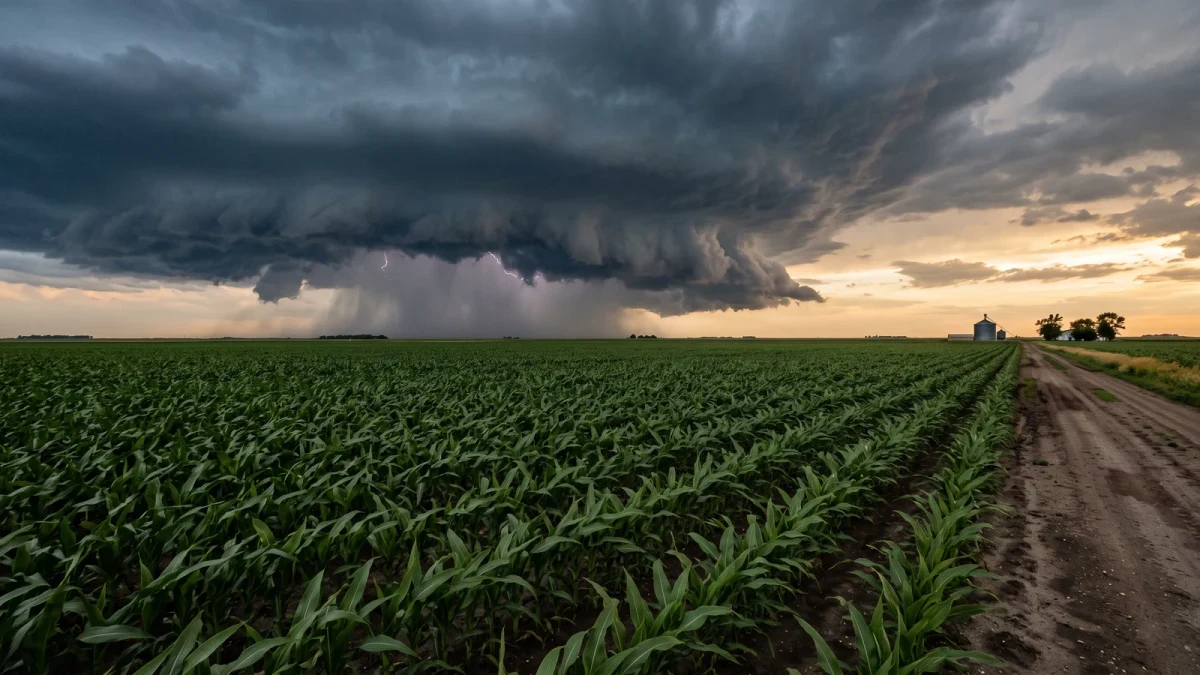
Strategy covers commitments made a season or more in advance: crop rotation and acreage allocation, forward contracts and storage, hedging decisions, land rental and purchase, and diversification into new enterprises. Each analysis works through the assumptions on cost and price that the decision depends on, and what happens when those assumptions fail.
The federal subsidy falls from 59 percent at 65 to 70 percent coverage to 38 percent at 85 percent — the arithmetic that shapes every coverage-level decision.
Tanya Brooks · June 12, 2026Farmers markets, CSAs, on-farm stores, and online sales differ in margin, labor shape, and scale — the 2022 Census recorded 116,600 farms working them.
Tanya Brooks · May 20, 2026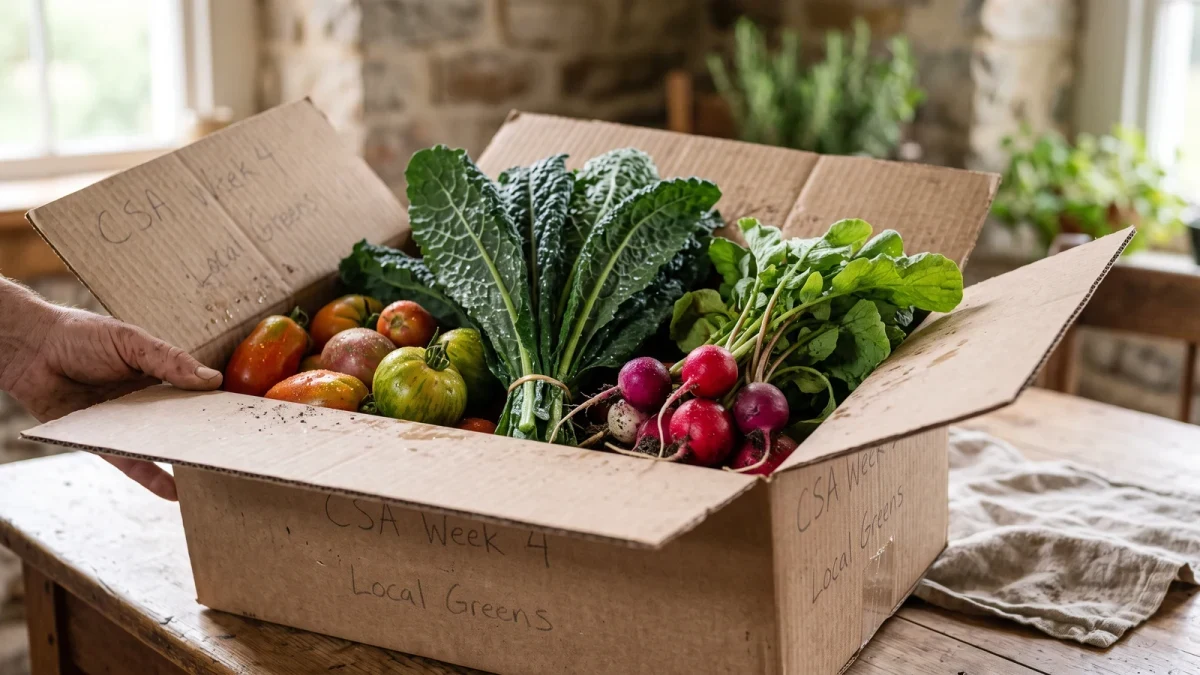
Yield maps, soil tests, and application records only earn their keep when they are collected to a standard and connected into one decision flow.
Tanya Brooks · April 27, 2026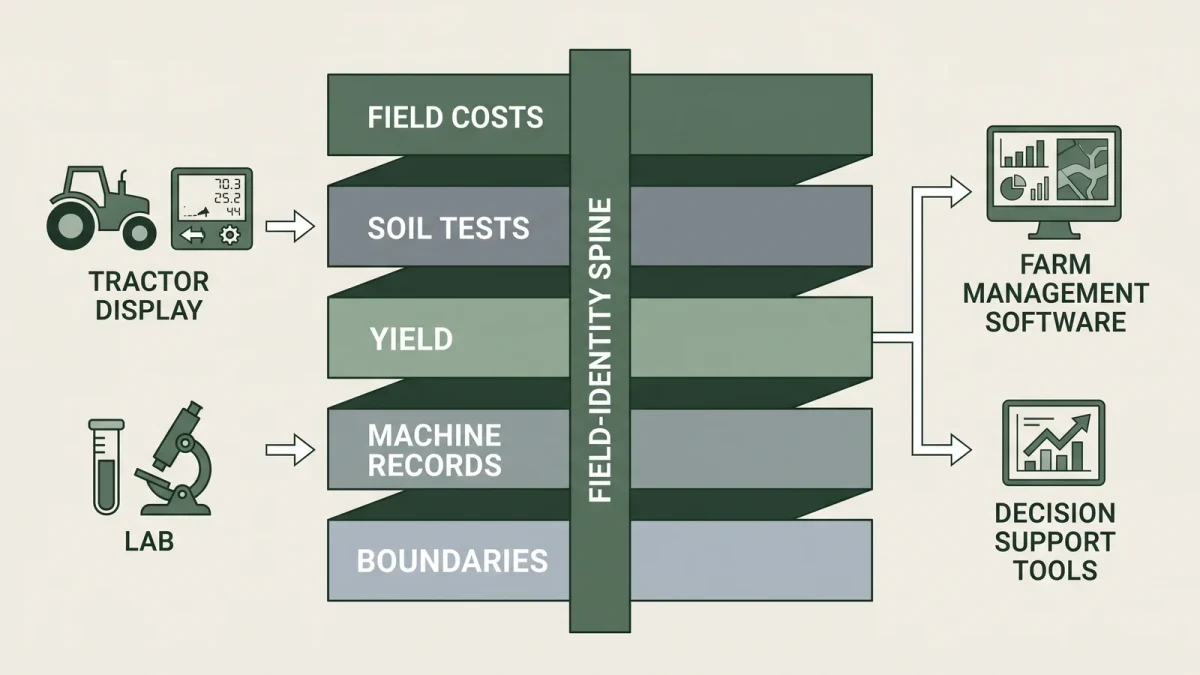
USDA's Value-Added Producer Grants cap working-capital awards at $250,000 — useful capital, but the economics stand or fall on throughput, margin, and compliance cost.
Tanya Brooks · April 5, 2026
The 2022 Census of Agriculture records farms earning income from multiple enterprises — but scale and management capacity decide which strategy fits a given operation.
Tanya Brooks · March 13, 2026